Is Barre a Good Workout After 40?
October 7, 2026
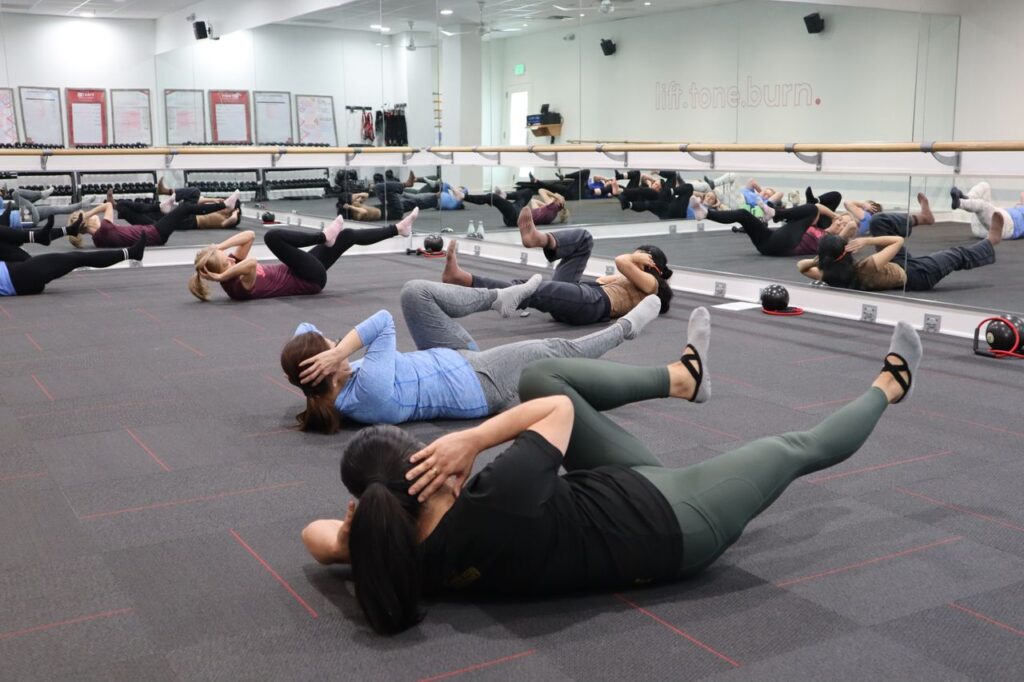
Wondering whether a barre workout is worth your time after 40? The short answer is yes, for most women it is one of the friendliest ways back into regular exercise. It is low impact, it builds real strength in the parts of the body that tend to weaken with age, and you can walk into a beginner class having never tried it and still keep up. It will not turn you into a ballerina, and on its own it will not melt away fat, but as a way to get stronger, steadier and more mobile, barre earns its place.
What a barre workout actually is
Barre borrows a few things from ballet, the standing positions and the light hold on a bar, then mixes in pilates and a bit of strength and stretch work. You spend most of the class doing small, controlled movements: tiny pulses, slow lifts, and holds that have your muscles shaking after thirty seconds. There is very little jumping or pounding. The loads are light, often just your own body weight, a resistance band, or small hand weights. The burn comes from repeating the same small range over and over until the muscle gives out.
Is barre good for beginners over 40?
This is where barre really shines. Because the moves are small and slow, there is time to find your footing and copy the instructor before the next rep comes around. Nobody is watching you, the lights are often low, and a good teacher offers an easier version of every move. If it has been years since you worked out, barre for beginners is gentler on the knees and back than a bootcamp or a spin class, and you set the depth of every squat and the size of every pulse yourself. Look for a class marked foundations or basics if your local studio offers one.
What barre does for your body after 40
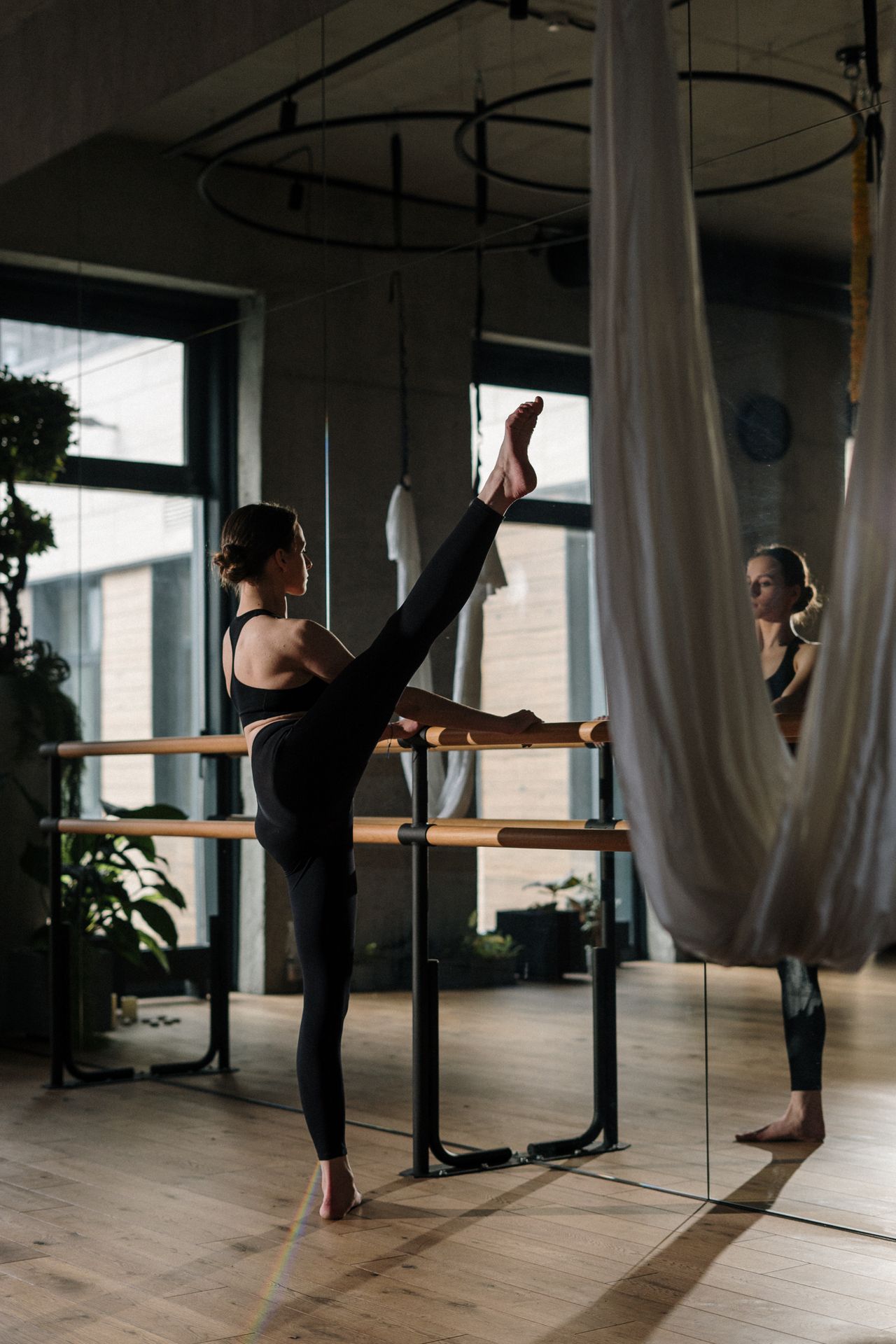
The benefits line up well with what changes in your body after 40. A barre workout hits the glutes, thighs, core and shoulders, the muscles that quietly fade when we sit more and move less. Stronger legs and a stronger core mean better balance, and better balance means fewer falls later on. The standing work is weight bearing, which is friendly to your bones at an age when bone density starts to slip. And because it is low impact, you can do it with cranky knees or a tender lower back that would rule out running. Plenty of women also notice their posture improves within a month, which makes everything from walking to carrying groceries feel easier.
Barre for weight loss: the honest version
Let me be straight about weight loss, because the marketing tends to oversell it. A barre class is not a big calorie burner. You will feel thoroughly worked, but the number is modest next to a brisk walk or a heavy strength session. What barre does well is build and hold muscle, and more muscle gently raises what your body burns at rest. If losing weight is the goal, treat barre as one steady piece of a bigger picture: regular classes, daily walking, a little proper strength work, and food that mostly fills you up instead of leaving you starving. No crash diets and no extreme restriction. That mix works far better than hammering any single class.
The myth worth busting
The big myth is that barre lengthens your muscles and hands you a long, lean dancer’s body. Muscles do not actually get longer. You are born with the length you have. What a barre workout really does is strengthen those muscles through a wider range of motion and improve your posture, and that combination can make you look leaner and more pulled together. It is a genuine result, just not the one on the poster. If a studio promises to stretch your muscles out like taffy, enjoy the class anyway, but hold onto your expectations.
“The best workout after 40 is the one you will still be doing next year.”
What trainers and women actually say
Talk to instructors and regulars and a few honest themes come up fast. Teachers will tell you the shaking is the point, not a sign you are doing it wrong, and that it settles as you get stronger. They also gently warn against gripping the bar for dear life, because it is there for balance, not to hold you up. Women who have stuck with it tend to say the same thing: they came for the toning and stayed because their back stopped aching and they felt steadier on their feet. A fair number mention it was the first class in years where they did not feel judged or hopelessly behind. And almost everyone agrees you have to give it more than one try, because that first class always feels awkward.
A realistic first month of barre
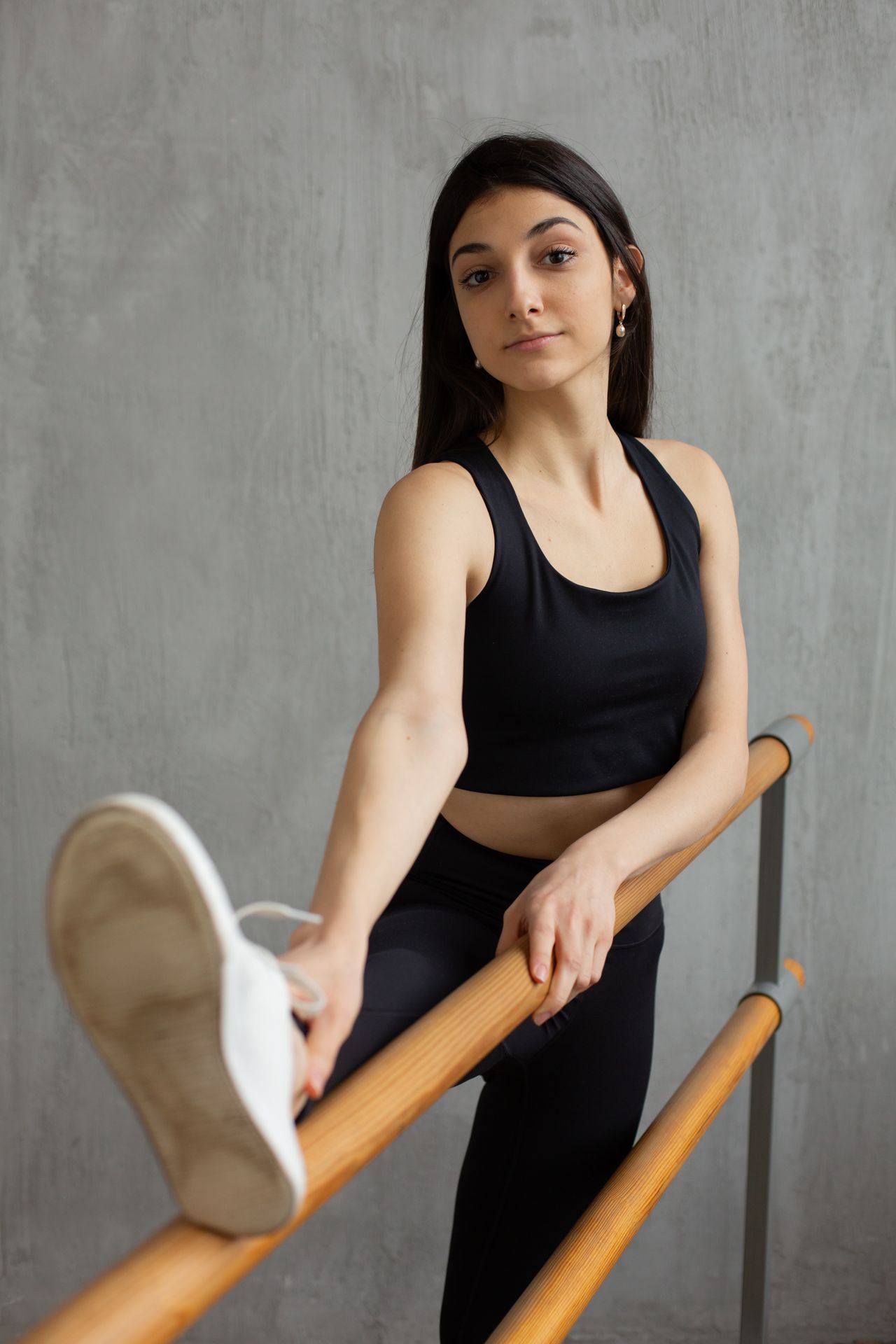
If you want to actually start, keep it simple for the first month:
- 2 barre classes a week, at beginner or foundations level
- A 20 to 30 min walk on two of the other days
- One proper rest day where you do nothing at all
- Comfy leggings, a fitted top, and grippy socks (most studios ask for these)
- Water nearby and a willingness to feel wobbly for the first week
Give it three to four weeks of simply showing up before you judge it, and check with your doctor first if you are coming back from an injury or a long break. Ready to try a class? Browse the barre studios and gyms near you on Her Studio Finder and book your first session.