Blog

  • Best Exercises for Menopause Belly Fat

    Best Exercises for Menopause Belly Fat

    If the weight has crept onto your middle since your 40s and nothing you used to do is shifting it, you’re not imagining it and you’re not doing it wrong. Menopause belly fat is a real, hormonal thing, not a willpower problem. The honest bit first: you can’t target fat off one spot, no exercise on earth does that. But the right kind of training genuinely changes what’s happening around your middle, and most women are doing the exact opposite of what works. Here are the best exercises for menopause belly fat, and why they beat another hour on the treadmill.

    Why menopause puts fat on your belly

    As estrogen drops, your body changes where it likes to store fat. It moves from your hips and thighs to your abdomen, and a lot of it is the deeper visceral fat that sits around your organs. At the same time you’re quietly losing muscle, which slows your metabolism down. So you can be eating and moving the same as always and still watch your waistband get tighter. That’s the hormonal shift doing its thing, and it’s why the fixes that worked at 30 fall flat now.

    Strength training is the one that matters most

    If you do one thing, lift something heavy. Strength training rebuilds the muscle menopause strips away, and more muscle means your body burns more even at rest, which is exactly the lever you want back. It’s also the only type of exercise that reliably protects your bones as estrogen falls. You don’t need to live in a gym. Two or three full-body sessions a week with dumbbells, machines or resistance bands is enough to start turning things around. This is the heavy lifting, literally, of fighting menopause belly fat.
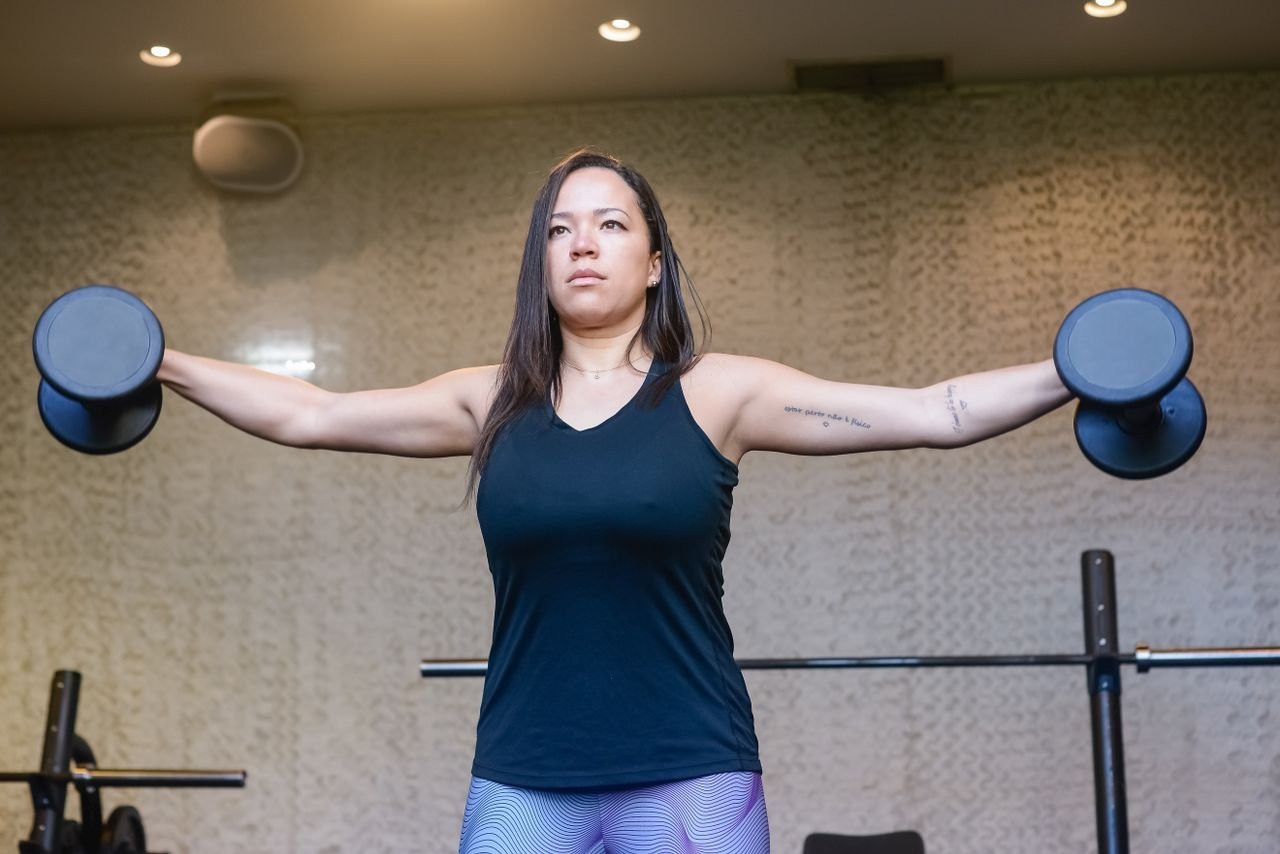
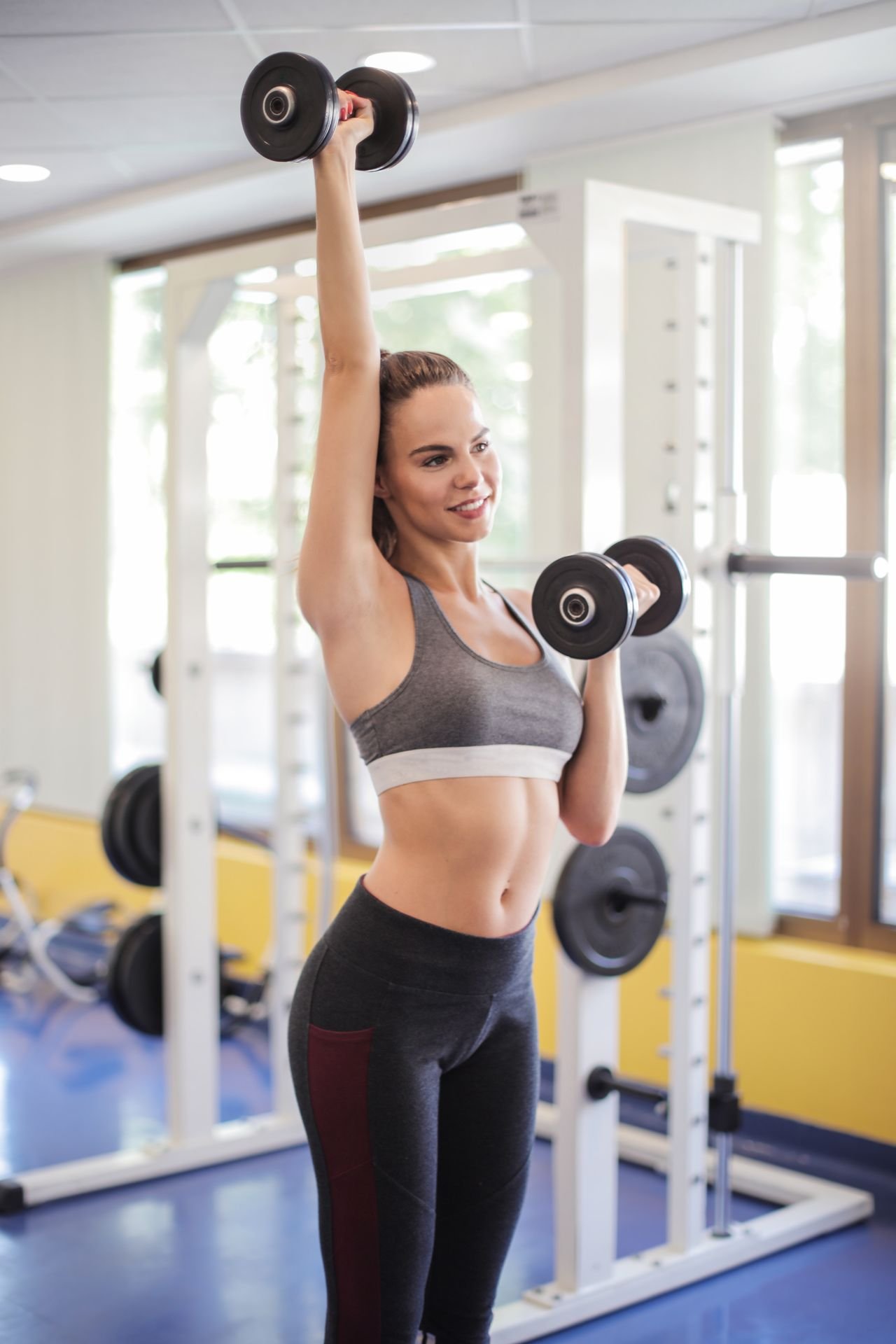
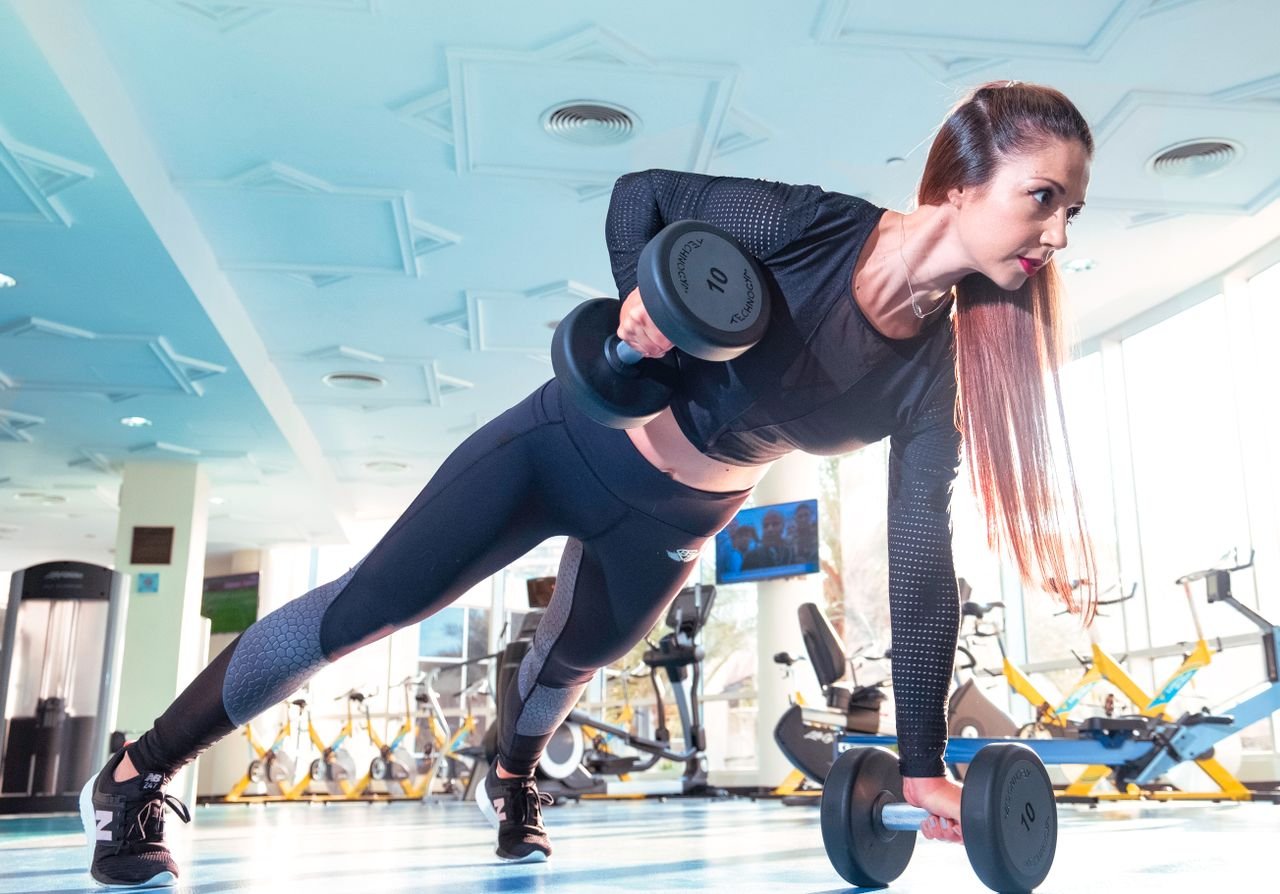
    Woman over 40 doing a dumbbell workout
    A couple of full-body strength sessions a week rebuilds the muscle menopause takes.

    Don’t underestimate walking

    It sounds too simple to work, but a daily walk is one of the best things you can do for belly fat in menopause. Steady, easy movement burns fat without spiking the stress hormones that harder workouts can, and it’s something you’ll actually keep doing for years. Aim for a brisk walk most days. If you want a target, work up toward 7,000 to 8,000 steps, but honestly, more than yesterday is the real goal. The women who keep this up tend to be the ones who see their waist change.

    Woman walking outdoors for daily movement during menopause
    A daily walk burns fat without spiking the stress hormones that harder sessions can.

    Where cardio and short intervals fit

    Cardio still has a place, just not the endless-slog version. A couple of short, harder efforts a week, think a spin class or quick bursts where you’re properly out of breath, can help with fat and fitness. But here’s the trap: piling on hours of hard cardio when you’re already stressed and under-recovered can backfire and keep stress hormones high, which tells your body to hold onto belly fat. More is not better here. Harder for twenty minutes beats grinding for ninety.

    What crunches actually do (and don’t)

    Here’s the myth that wastes the most time: endless crunches do not burn the fat on top of your abs. They strengthen the muscle underneath, which is worth doing, but they won’t melt the layer you’re trying to lose. Core work like planks, dead bugs and pilates-style moves is brilliant for posture, back pain and a flatter-looking middle once the fat does come down. Just don’t expect sit-ups alone to do the job. The fat answers to strength training, walking and what’s on your plate, not to how many crunches you grind out.

    The parts that aren’t exercise at all

    You can train perfectly and still get stuck if three things are off. Protein: most women over 40 eat too little, and it’s what lets you hold onto muscle and feel full. Build a decent source into every meal. Sleep: when it’s short, your hunger and stress hormones go haywire and your belly is where that shows up. And stress itself: chronically high cortisol parks fat right on your middle, which is why rest and recovery aren’t optional extras here, they’re part of the plan.

    What trainers and women actually say

    Talk to trainers who work with menopausal women and they say the same thing almost in unison: stop doing so much cardio and start lifting. The ones who switch are often shocked that doing less, but heavier, finally moves the needle after years of spinning their wheels. They also push protein and sleep harder than any ab exercise.

    And the women living it? The honest ones say the scale isn’t the story. Plenty report their clothes fitting better and their waist shrinking while the number barely budges, because they’re swapping fat for muscle. The common thread is patience. This is a few-months project, not a two-week one. As more than one has put it, you’re not trying to get your 30-year-old body back, you’re building a strong 50-year-old one.

    “You’re not trying to get your 30-year-old body back. You’re building a strong 50-year-old one.”

    A realistic week

    Pull it together and it’s less than you’d think:

    • 2 to 3 strength sessions (full body, 30 to 40 min)
    • A brisk walk most days
    • 1 or 2 short harder efforts (spin, intervals) if you’ve got the energy
    • Protein at every meal, and sleep treated like it counts, because it does

    Give it eight to twelve weeks of that before you decide it isn’t working. Menopause belly fat didn’t arrive in a fortnight and it won’t leave in one, but this combination is what actually shifts it. If any of this is new or you’ve got health stuff going on, it’s worth a quick word with your doctor before you start.

    Want a place to start? Have a browse of the studios and gyms near you on Her Studio Finder, from strength and spin to pilates. Every listing’s got real ratings, photos and a map, so you can get moving this week.
  • How to Start Pilates at 40 (A Beginner’s Guide)

    How to Start Pilates at 40 (A Beginner’s Guide)

    Thinking about starting pilates at 40 but worried you’ve left it too late? You haven’t. Pilates might be the single most forgiving thing you can walk into at this age: low-impact, easy on the joints, and built around control rather than how much you can throw around. Plenty of women take their first class in their 40s, 50s, even 60s and wish they’d done it sooner. Here’s exactly how to start pilates at 40 without feeling lost or out of place.

    Is pilates good for beginners over 40?

    Honestly, it’s almost perfect for it. Pilates is slow and deliberate, so you’re never being rushed into something your body isn’t ready for. It targets your deep core, your posture and the little stabilising muscles that quietly weaken as we get older, which is exactly what protects your back and keeps you steady on your feet. And because there’s no jumping or pounding, your knees and hips get an easy ride. If you’ve been nervous that fitness at this stage means burpees and sore joints, pilates is the opposite of that.

    Mat vs reformer pilates for beginners

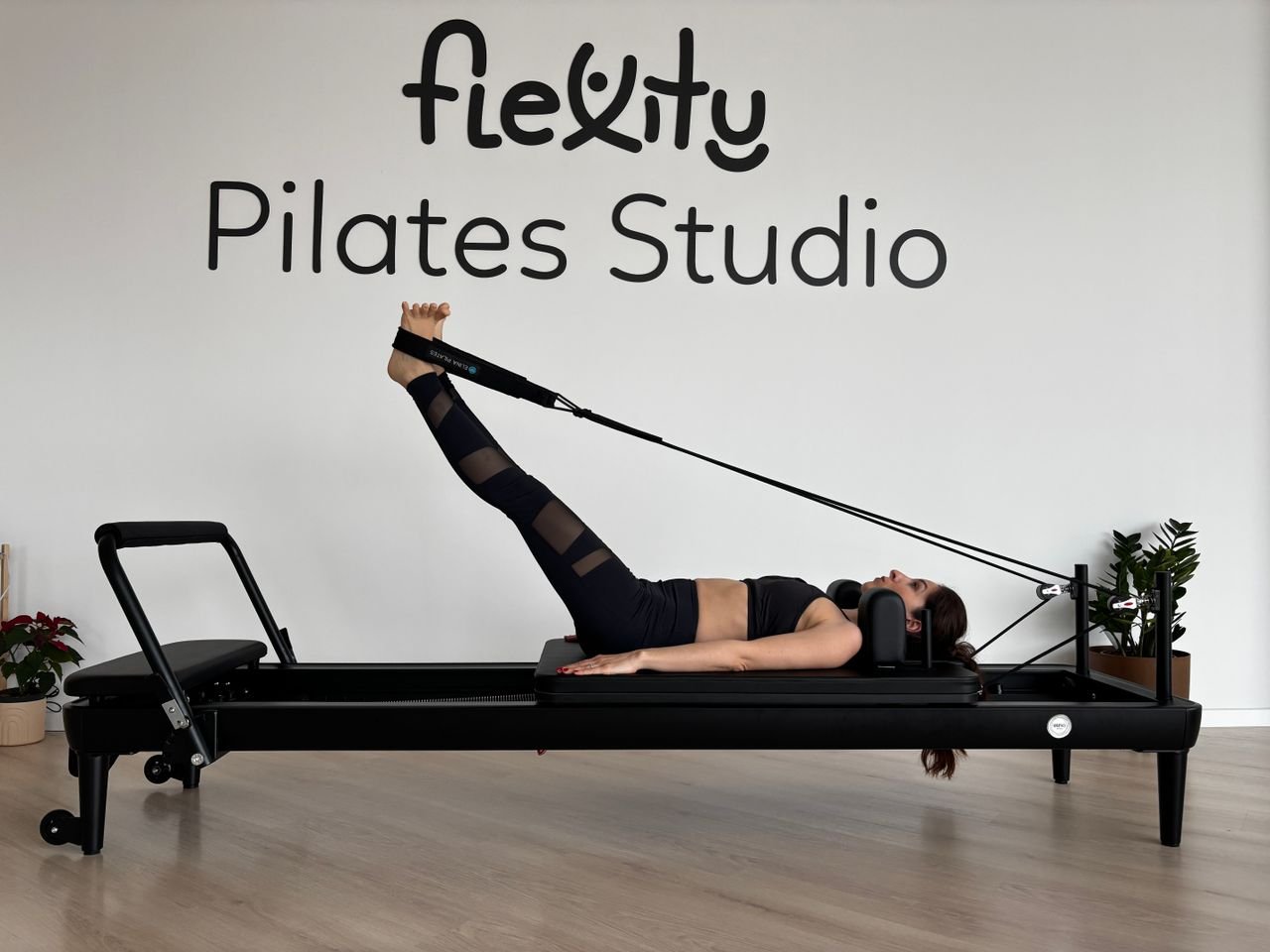
    This is the first thing most beginners get stuck on. Mat pilates uses your own bodyweight on a mat, so it’s cheaper, easier to try at home and great for learning the basics. Reformer pilates uses a sliding carriage with springs, which sounds intimidating but is actually brilliant for beginners over 40: the springs support you and guide the movement, so your form stays honest. If you can, start with a few reformer classes at a studio. An instructor watching you on the machine will teach you more in three sessions than a month of guessing on your living room floor.

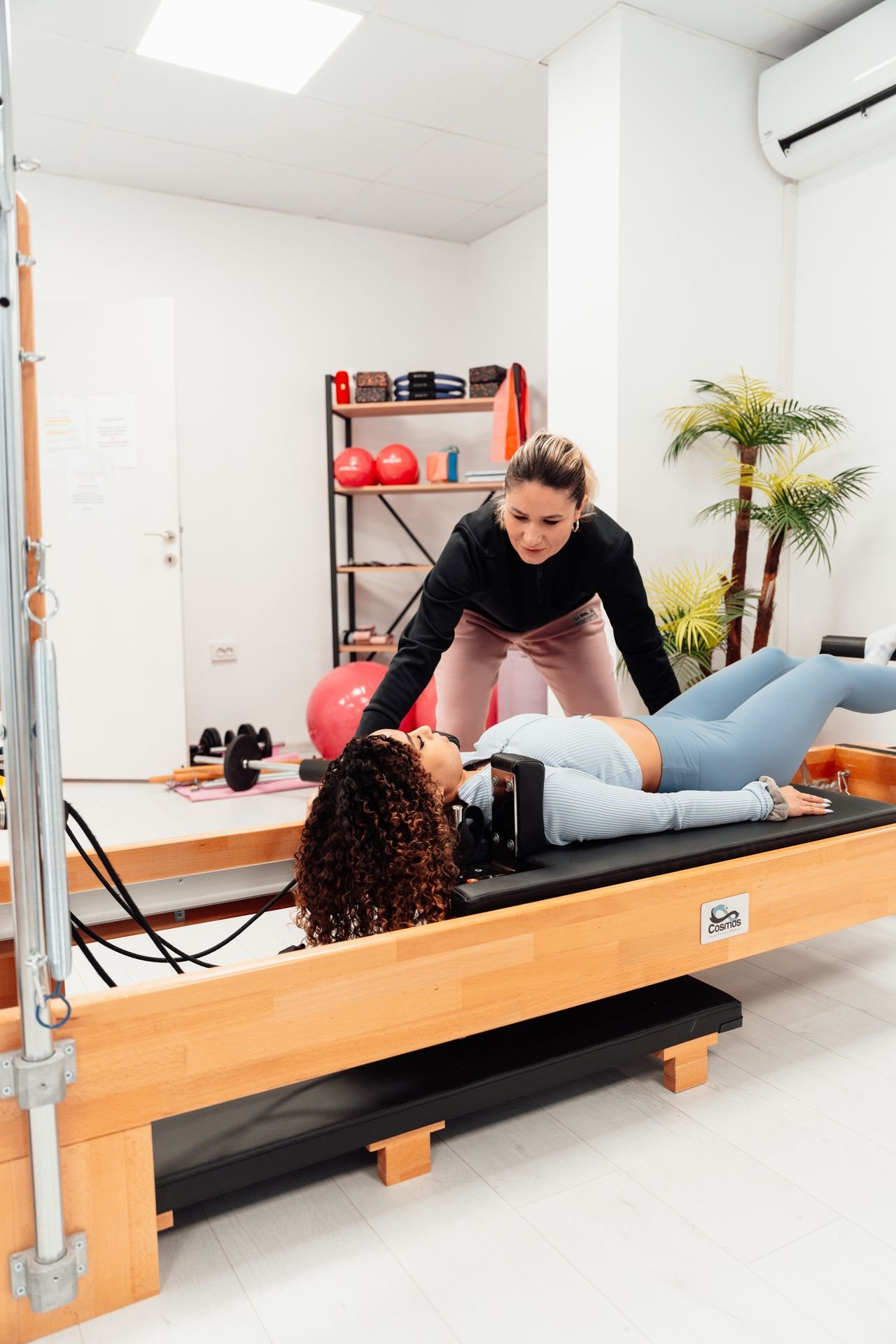
    Beginner on a pilates reformer with spring resistance
    The reformer’s springs support and guide you, which makes it surprisingly beginner-friendly.

    What to expect in your first class

    Expect it to feel strange before it feels good. A lot of pilates is small, slow movement and a weird amount of attention on your breathing. You might finish your first class thinking “did I even do anything?” and then feel your abs the next morning anyway. That’s normal. Tell the instructor it’s your first time and that you’re over 40, they’ll give you modifications and keep an eye on you. Nobody in that room is judging you. Most of them were exactly where you are not long ago.

    Women in a beginner pilates class
    Tell the instructor it’s your first class. A good one will adjust everything to you.

    What to wear and bring

    Keep it simple. Fitted clothes you can move in, so the instructor can actually see your alignment, nothing baggy that swallows you up. Grippy socks are the one real must for reformer and most studios will ask for them, so buy a pair or grab them at the desk. Bring water and that’s about it. No fancy gear, no special shoes, pilates is barefoot or socked.

    How often should you do pilates to see results?

    Two to three times a week is the sweet spot. Once a week is fine to learn the ropes, but twice is where it starts to stick, better posture, a stronger core, less nagging back pain. Give it about three to four weeks of showing up consistently. You’ll notice you’re standing taller and getting off the sofa without that little groan before you ever notice anything in the mirror. The physical changes come, they just come after the feel-good ones.

    Beginner mistakes to skip

    The big one: holding your breath. Pilates breathing feels backwards at first, but forcing yourself through a move with your breath locked just makes everything tense. The other mistake is chasing the hardest version of everything. This isn’t a competition, and the modified move done properly beats the advanced one done badly every time. And don’t write the whole thing off after one awkward class. The first one is always the most confusing. By the third, it clicks.

    What instructors and women over 40 actually say

    Ask around and the same things come up again and again. Instructors say the women who start in their 40s often progress faster than they expect, because they actually listen and don’t try to muscle through. The thing they wish beginners knew? Consistency beats intensity, every single time. Two steady classes a week will take you further than one brutal session you dread.

    And the women themselves? The stories rhyme. Most say the first class felt humbling and the back pain they’d just accepted as “getting older” started easing within a month or two. A lot of them mention confidence as much as the physical side, standing taller, feeling stronger, not bracing before they pick something up. As one longtime instructor likes to put it, pilates doesn’t ask you to be fit to start. It makes you fit by starting.

    “Pilates doesn’t ask you to be fit to start. It makes you fit by starting.”

    Your first month, the realistic version

    You don’t need to overhaul your life. Something like this is plenty:

    • Week 1 to 2: 2 beginner classes a week, reformer if you can, mat if that’s easier to access
    • Week 3 to 4: same 2 classes, plus 10 minutes of the basics at home on an off day
    • Throughout: tell your instructor what feels hard, and let them adjust

    Give it a month before you judge it. By then the moves make sense, your core feels switched on, and you’ll know whether you want to add reformer, try a class with weights, or just keep doing exactly what you’re doing. There’s no wrong answer. The only one that matters is showing up.

    Ready to book your first class? Have a browse of the pilates studios near you on Her Studio Finder. Every listing’s got real ratings, photos and a map, so you can find a beginner-friendly spot and get started this week.

  • Pilates vs Weight Lifting for Women Over 40

    Pilates vs Weight Lifting for Women Over 40

    So you’re over 40 and wondering: pilates vs weight lifting, which one’s actually worth your time? Here’s the honest answer before we go further: they’re not really competing. They fix different things, and honestly? Most women do best with a bit of both. Weights rebuild the muscle and bone you start quietly losing in your 40s. Pilates gives you the core, the posture, the steadiness that makes all that strength actually useful day to day. You can pick one. Just know what you’re getting from each.

    What each one actually does

    Weight lifting’s the simple one. You load your muscles against something, dumbbells, a machine, a barbell, and they come back stronger. It’s the most direct way to build muscle and get your bones holding onto their density.

    Pilates is a different animal. It’s slow, controlled, low-impact, all about your core, your breath, your alignment. Mat pilates uses just you; reformer pilates adds spring resistance. It’s not going to bulk you up, but it wakes up those deep stabilising muscles almost everything else forgets about.

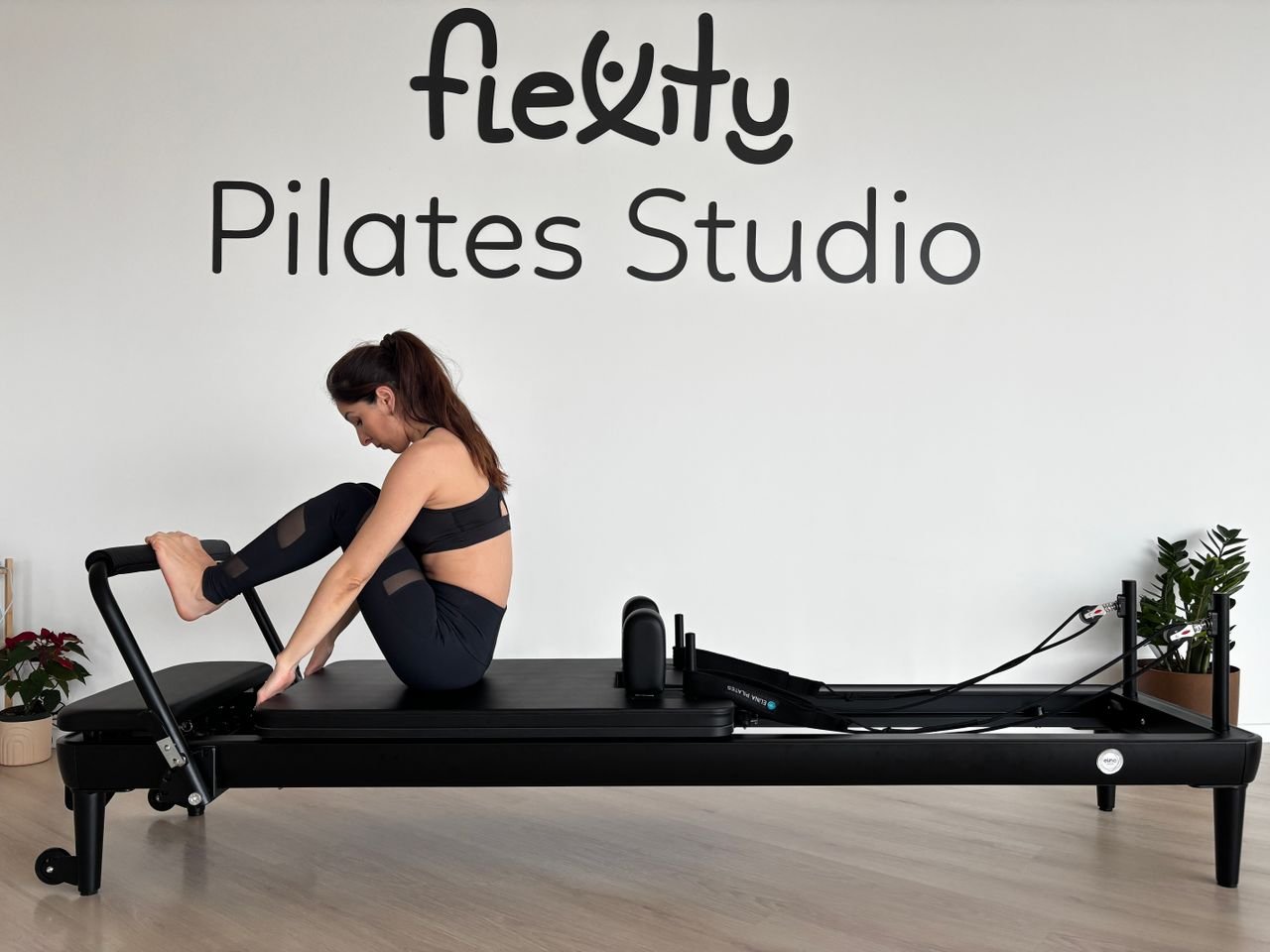
    Woman practicing pilates on a reformer in a studio
    Reformer pilates adds spring resistance to build core strength and control.

    Building strength: pilates vs weights

    Want to get properly strong? Weights, hands down. It’s not close. The whole trick is progressive overload: nudging the weight up bit by bit so your muscles keep adapting. Pilates builds strength too, just a quieter kind: endurance, control, staying power. Think of it this way: lifting gives you the power to heave your suitcase into the overhead bin, and pilates is what keeps your back from complaining about it.

    The part no one tells you after 40

    Here’s where it really counts, and where most articles go weirdly quiet. From your late 30s, you’re losing somewhere around 3 to 8% of your muscle every decade, and once menopause hits, bone density starts dropping faster too. That’s exactly why strength training stops being a “nice to have” after 40 and becomes protective. Lifting is one of the only things we know actually slows that down.

    And pilates? It’s got lifting’s back. Better balance and a stronger core mean fewer falls, and a fall is what turns a thinning bone into a broken one. So, can pilates replace weight training here? Honestly, no. It’s a brilliant partner for your lifting, not a stand-in for it.

    Toning: pilates vs lifting for toning

    Let’s be real about “toning.” It just means muscle you can see once a little body fat comes off. Pilates gives you that long, lean, pulled-together look, especially through your core, glutes and thighs. Lifting gives you more obvious shape and real strength behind it. Want the lean, posture-forward thing? Pilates leans that way. Want shape and power? Add the weights. And no, neither one melts fat off one specific spot. Nobody does. That’s just genetics, food and showing up.

    Fat loss: pilates or weights for weight loss

    Straight up: neither is a huge calorie-burner on its own. But if we’re talking pilates or weights for weight loss over the long haul, lifting has the edge: more muscle means your body burns a touch more even when you’re sitting still. Pilates wins a different way. It keeps you consistent and off the injury bench, and the workout you actually look forward to is the one that sticks. Pair either with a daily walk and enough protein, and that’s where you’ll actually see things change.

    What trainers and women actually say

    Talk to people who do both and a few themes come up fast.

    First, trainers are tired of the “weights will make me bulky” fear. They’ll tell you it’s diet, not the dumbbells, that changes your shape. Most women over 40 who lift end up leaner and stronger, not bigger. Pilates instructors are refreshingly honest too: plenty say pilates absolutely “counts,” but it builds a different kind of strength, endurance and control, not lifting to failure. And it’s not a full replacement for weights once bone loss is on the table.

    One myth they love to bust: pilates doesn’t actually lengthen your muscles. It strengthens them through a bigger range of motion, which is great, just not the same as what a resistance program does.

    “Fitness is fitness. Movement is movement.”

    And the thing almost everyone lands on? Do the one you’ll keep doing. As one university trainer put it, fitness is fitness and movement is movement. Women in midlife forums echo it. The ones who added weights talk about feeling steadier lifting kids and groceries; the pilates loyalists swear by the posture and the way their back stopped nagging. Different wins, same lesson: consistency beats perfection.

    So which should you choose?

    If someone made me pick just one for a woman over 40, I’d go weights, purely because that bone and muscle protection isn’t something you want to gamble on at this stage. But if the weights floor feels intimidating, or your knees aren’t what they were, start with pilates. Build the control and the confidence first, then slide the weights in a month or so later. You’re not choosing a side here. You’re just making sure strength doesn’t get left out entirely.

    Doing both (the realistic version)

    And no, you don’t need to live at the studio. Something like:

    Woman over 40 doing a dumbbell workout combining strength and pilates
    A couple of short strength sessions a week is enough to protect muscle and bone.
    • 2 strength sessions (30 to 40 min, full body)
    • 2 pilates sessions (mat or reformer)
    • 1 or 2 walks or easy days

    Tight on time? Even one of each a week beats doing nothing, and you’ll feel steadier within about three weeks. Promise.

    Find your next class. Have a browse of the pilates studios and gyms near you on Her Studio Finder. Every listing’s got real ratings, photos and a map, so you can get started this week.