How to Start Strength Training at 50
October 8, 2026
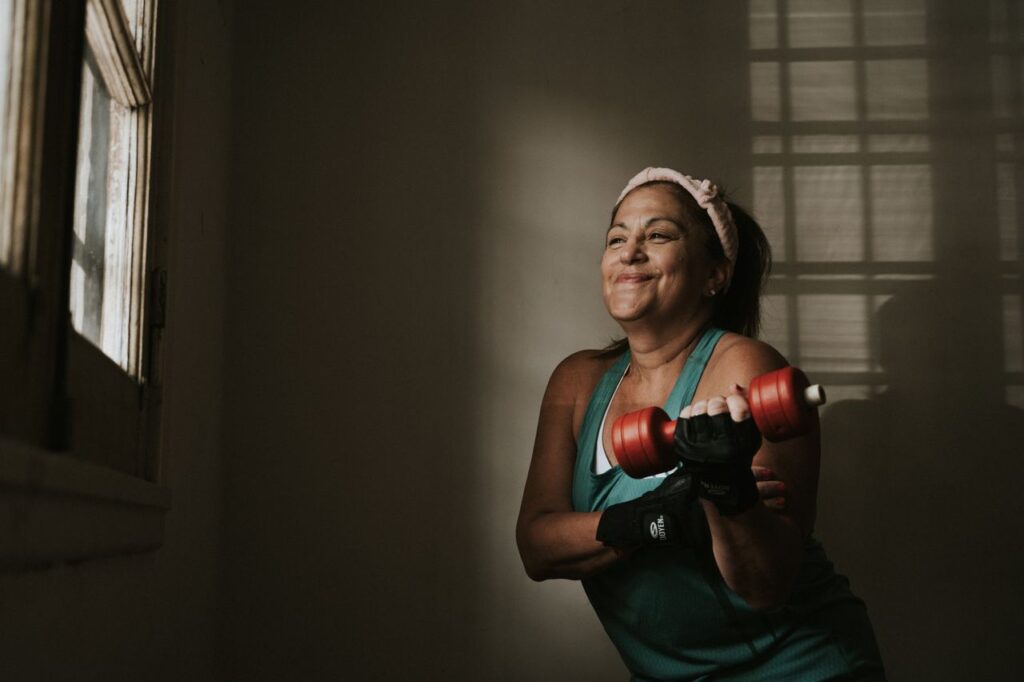
Wondering if it’s too late to pick up a set of weights? It isn’t, and that’s the honest answer up front. Strength training for women over 50 is one of the few things that genuinely pushes back against what midlife does to muscle, bone and balance, and you can start from zero. You don’t need a fancy gym, a trainer on speed dial, or any gym history at all. Here’s how to start strength training at 50 without feeling like everyone’s watching you.
Is it too late to start strength training at 50?
Not even close. From about our mid-40s we lose muscle a little faster each year, and that’s the stuff that keeps us strong, steady and able to carry the shopping without a second thought. The good news is muscle responds to training at any age. Women starting in their 50s, 60s and 70s build real strength, and often faster than they expect in the first few months. Starting late isn’t a disadvantage. The only thing that doesn’t work is not starting.
How to start strength training at 50 as a beginner
Keep it boringly simple for the first few weeks. You want a handful of basic moves that work your whole body: a squat or a sit-to-stand from a chair, a push of some kind, a row or pull, and something for your core. Start with your own bodyweight or light dumbbells, two to three kilos is plenty to learn with, and focus entirely on doing each move slowly and in control. If lifting weights after 50 feels daunting on your own, a few beginner sessions with an instructor is money well spent. They’ll check your form, which is the thing that keeps you safe and makes everything actually work.

How often should women over 50 lift weights?
Two sessions a week is the sweet spot, and it’s enough to see real change. Leave a day in between so your muscles can recover, because that’s when they actually get stronger, not during the workout itself. A session only needs to be 30 to 40 minutes. If you can build up to three days a week later on, lovely, but two steady sessions you actually keep doing will beat an ambitious four-day plan you drop by February. Consistency is the whole game here.
Does strength training help with bone density and menopause?
This is where strength training for women over 50 really earns its place. As oestrogen drops around menopause, bone density drops with it, which is why fractures become more of a worry as we age. Loading your bones with resistance tells them to hold on to their strength, so lifting weights after 50 is one of the best things you can do for your skeleton, not just your muscles. Plenty of women also find it steadies the mood swings and the energy slumps, and sleeping better is a common side effect nobody complains about. If you have osteoporosis, a heart condition or any injury you’re unsure about, have a quick word with your doctor before you start, then get going.
Myth: lifting weights will make you bulky
Let’s put this one to bed, because it stops far too many women from ever starting. You will not accidentally get bulky. Building large muscles takes years of dedicated heavy training, a specific diet, and far more testosterone than most women have. What strength training actually gives you is the opposite of bulk: firmer arms, a stronger back, better posture, and that lean, capable feeling of a body that does what you ask of it. Toned is just muscle you’ve built plus a bit less soft tissue over it. The weights are how you get there.
What trainers and women over 50 actually say
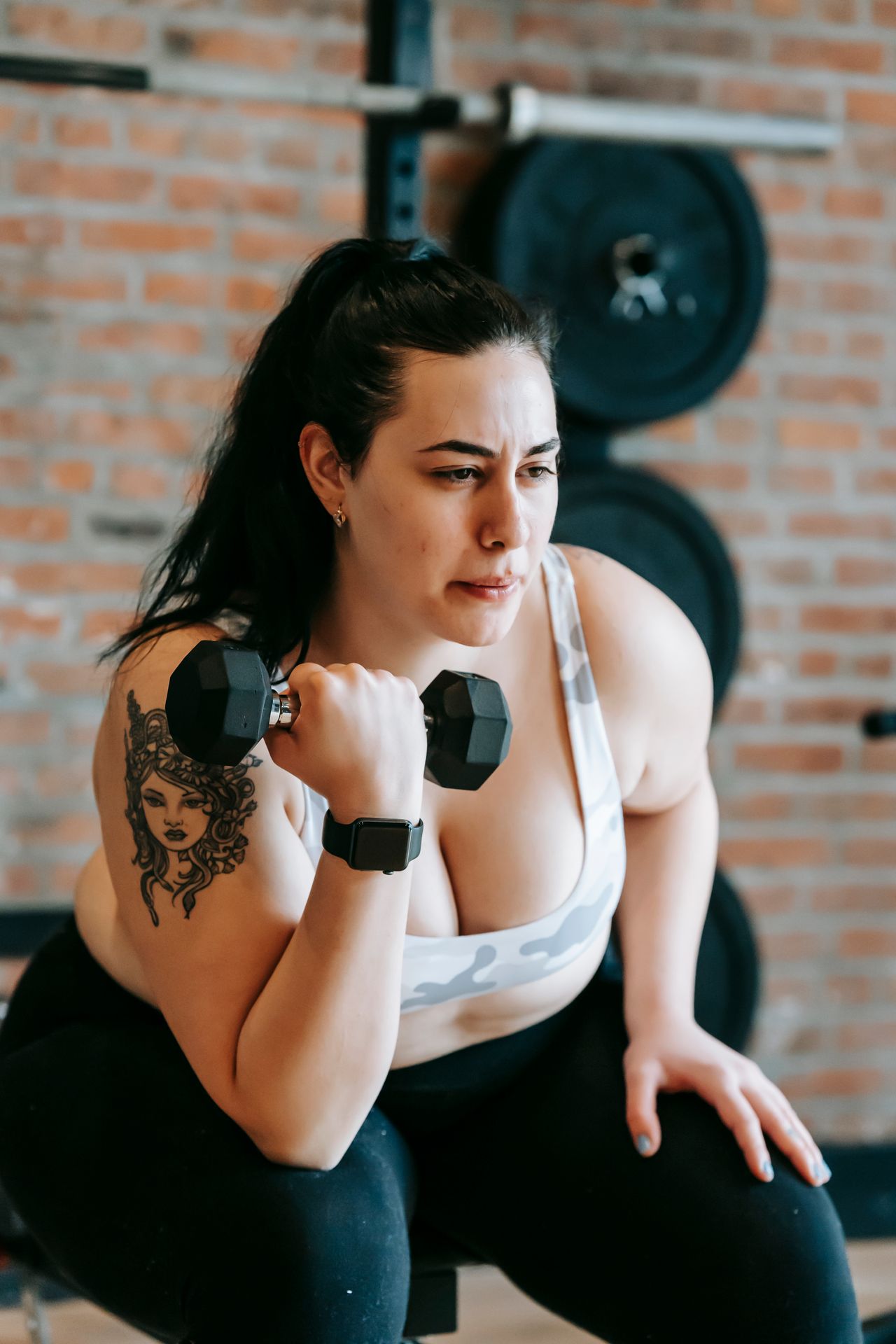
Ask around and the same themes come up. Trainers say the biggest mistake beginners make is going too heavy too soon and then hurting themselves, so they beg you to start lighter than your ego wants and add weight slowly. The other thing they wish more women knew is that soreness a day or two after is normal and not a sign you’ve done damage. It fades as your body adapts.
The women themselves talk less about how they look and more about what they can suddenly do. Carrying both suitcases up the stairs. Getting off the floor after playing with the grandkids without planning the whole operation first. A lot of them say the same thing: they wish they’d started ten years earlier, and the gym felt intimidating for about two weeks and then just felt like theirs.
“The weights looked scary for two weeks. Then they just felt like mine.”
Your first month, the realistic version
You don’t need to turn your life upside down. Something like this is plenty for strength training for beginners:
- Week 1 to 2: 2 sessions a week, bodyweight or light dumbbells, learning 4 or 5 basic moves slowly
- Week 3 to 4: same 2 sessions, nudge the weight up a little once a move feels easy and controlled
- Throughout: rest a day between sessions, and tell your instructor anything that feels wrong so they can adjust it
Give it a month before you judge it. By then the moves feel familiar, you’ll notice you’re steadier on your feet, and you’ll know whether you want to add a third day, try a class, or keep doing exactly what you’re doing. Any of those is a win. The only one that matters is showing up twice a week.
Ready to find somewhere to start? Have a browse of the studios and gyms near you on Her Studio Finder. Every listing has real ratings, photos and a map, so you can find a welcoming, beginner-friendly spot and get going this week.