Thinking about starting pilates at 40 but worried you’ve left it too late? You haven’t. Pilates might be the single most forgiving thing you can walk into at this age: low-impact, easy on the joints, and built around control rather than how much you can throw around. Plenty of women take their first class in their 40s, 50s, even 60s and wish they’d done it sooner. Here’s exactly how to start pilates at 40 without feeling lost or out of place.
Is pilates good for beginners over 40?
Honestly, it’s almost perfect for it. Pilates is slow and deliberate, so you’re never being rushed into something your body isn’t ready for. It targets your deep core, your posture and the little stabilising muscles that quietly weaken as we get older, which is exactly what protects your back and keeps you steady on your feet. And because there’s no jumping or pounding, your knees and hips get an easy ride. If you’ve been nervous that fitness at this stage means burpees and sore joints, pilates is the opposite of that.
Mat vs reformer pilates for beginners
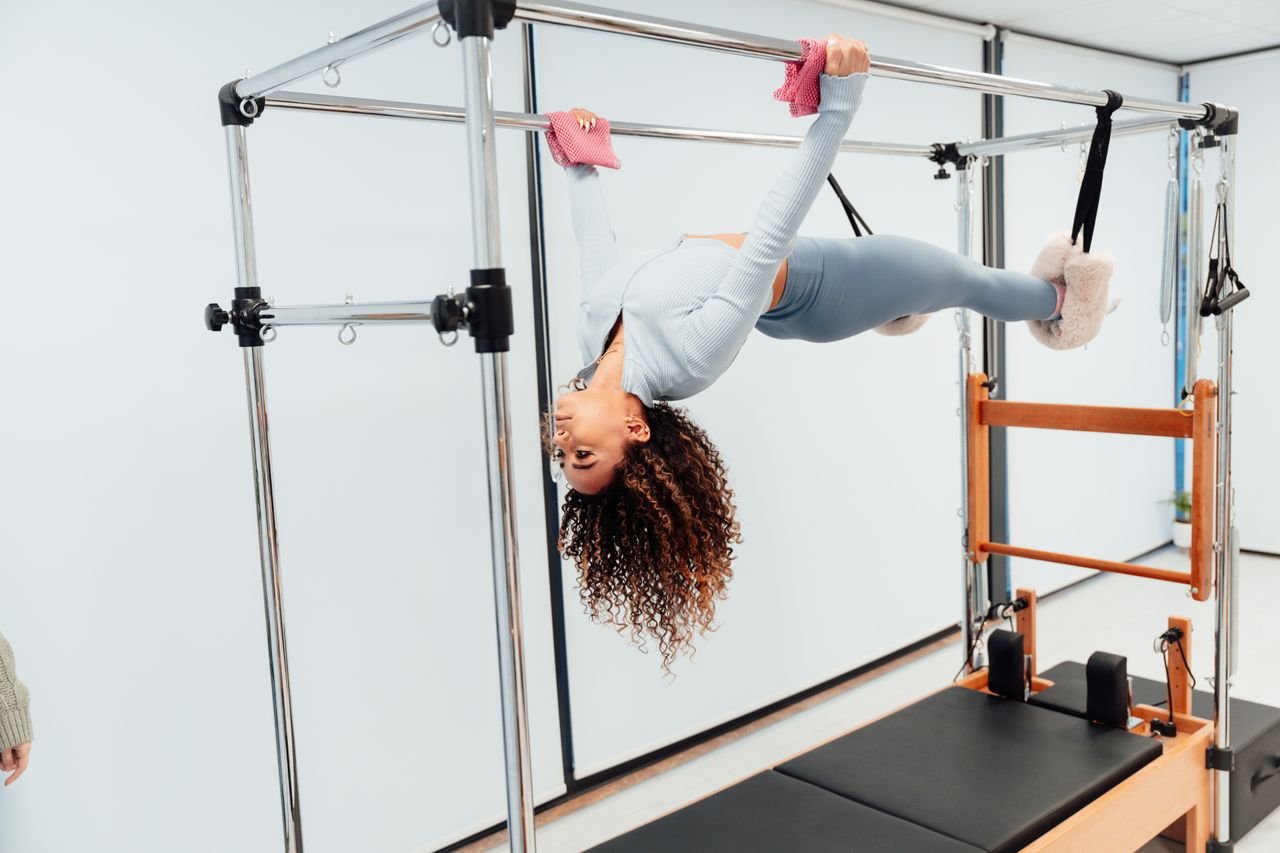
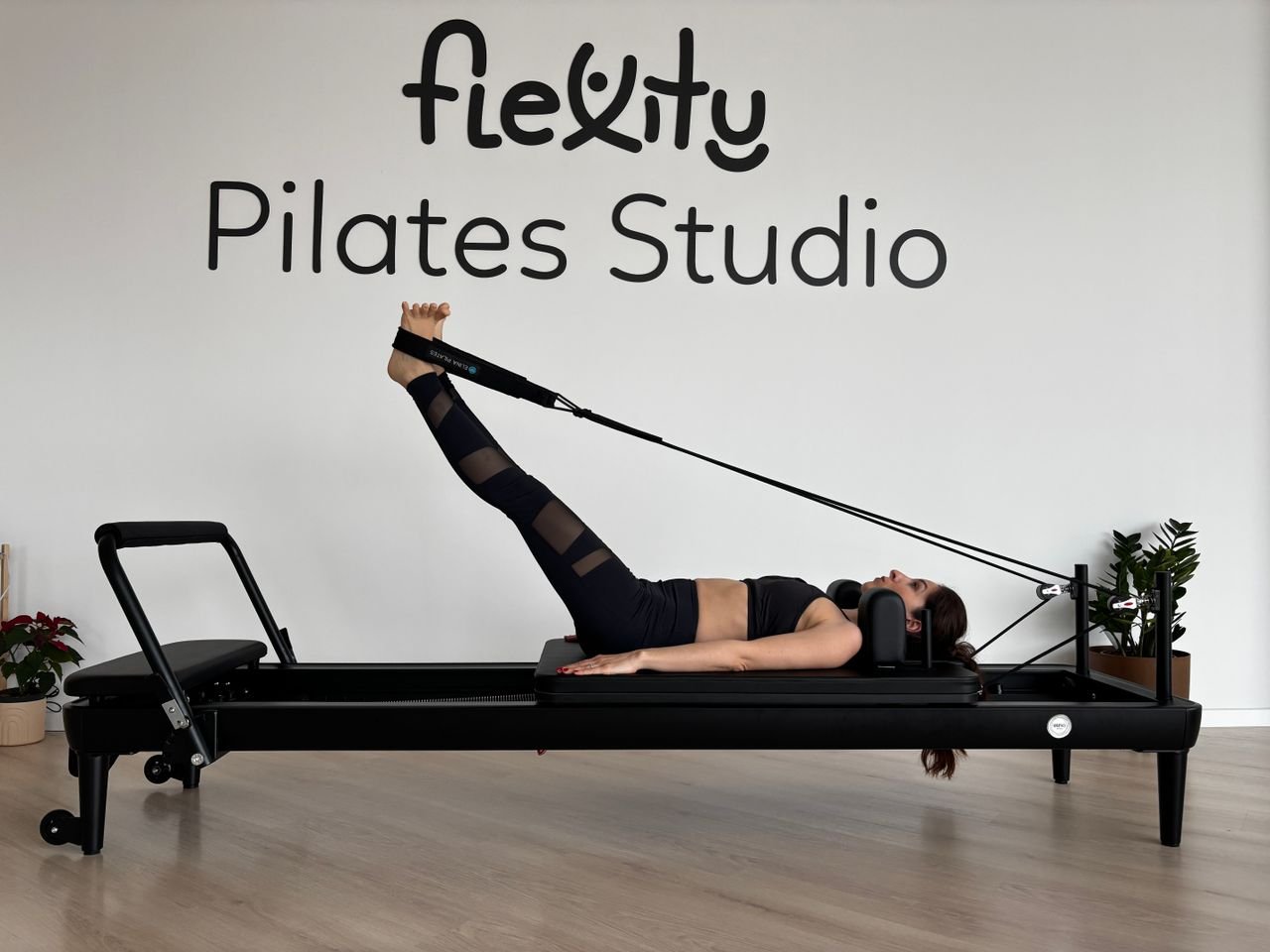
This is the first thing most beginners get stuck on. Mat pilates uses your own bodyweight on a mat, so it’s cheaper, easier to try at home and great for learning the basics. Reformer pilates uses a sliding carriage with springs, which sounds intimidating but is actually brilliant for beginners over 40: the springs support you and guide the movement, so your form stays honest. If you can, start with a few reformer classes at a studio. An instructor watching you on the machine will teach you more in three sessions than a month of guessing on your living room floor.
What to expect in your first class
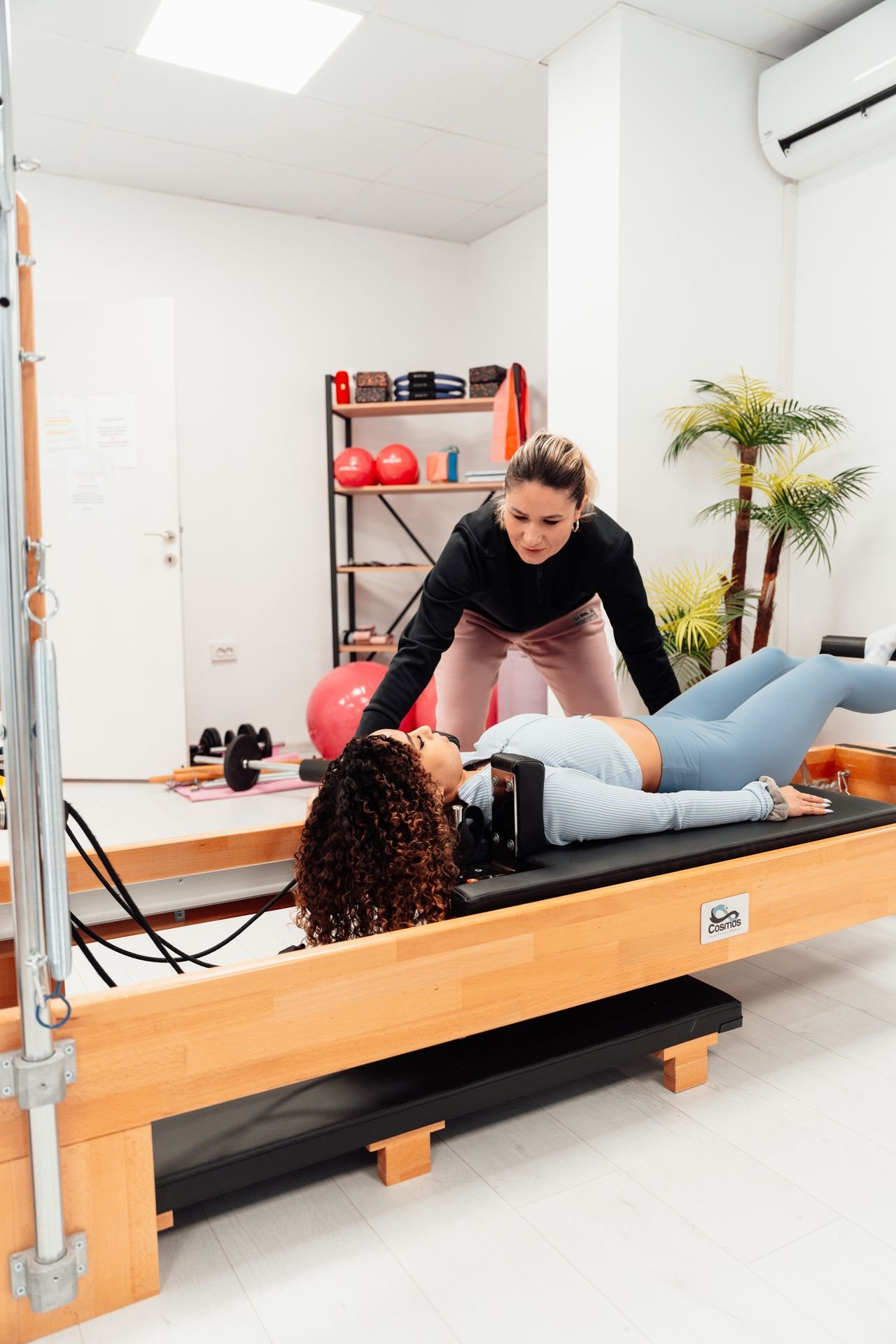
Expect it to feel strange before it feels good. A lot of pilates is small, slow movement and a weird amount of attention on your breathing. You might finish your first class thinking “did I even do anything?” and then feel your abs the next morning anyway. That’s normal. Tell the instructor it’s your first time and that you’re over 40, they’ll give you modifications and keep an eye on you. Nobody in that room is judging you. Most of them were exactly where you are not long ago.
What to wear and bring
Keep it simple. Fitted clothes you can move in, so the instructor can actually see your alignment, nothing baggy that swallows you up. Grippy socks are the one real must for reformer and most studios will ask for them, so buy a pair or grab them at the desk. Bring water and that’s about it. No fancy gear, no special shoes, pilates is barefoot or socked.
How often should you do pilates to see results?
Two to three times a week is the sweet spot. Once a week is fine to learn the ropes, but twice is where it starts to stick, better posture, a stronger core, less nagging back pain. Give it about three to four weeks of showing up consistently. You’ll notice you’re standing taller and getting off the sofa without that little groan before you ever notice anything in the mirror. The physical changes come, they just come after the feel-good ones.
Beginner mistakes to skip
The big one: holding your breath. Pilates breathing feels backwards at first, but forcing yourself through a move with your breath locked just makes everything tense. The other mistake is chasing the hardest version of everything. This isn’t a competition, and the modified move done properly beats the advanced one done badly every time. And don’t write the whole thing off after one awkward class. The first one is always the most confusing. By the third, it clicks.
What instructors and women over 40 actually say
Ask around and the same things come up again and again. Instructors say the women who start in their 40s often progress faster than they expect, because they actually listen and don’t try to muscle through. The thing they wish beginners knew? Consistency beats intensity, every single time. Two steady classes a week will take you further than one brutal session you dread.
And the women themselves? The stories rhyme. Most say the first class felt humbling and the back pain they’d just accepted as “getting older” started easing within a month or two. A lot of them mention confidence as much as the physical side, standing taller, feeling stronger, not bracing before they pick something up. As one longtime instructor likes to put it, pilates doesn’t ask you to be fit to start. It makes you fit by starting.
“Pilates doesn’t ask you to be fit to start. It makes you fit by starting.”
Your first month, the realistic version
You don’t need to overhaul your life. Something like this is plenty:
- Week 1 to 2: 2 beginner classes a week, reformer if you can, mat if that’s easier to access
- Week 3 to 4: same 2 classes, plus 10 minutes of the basics at home on an off day
- Throughout: tell your instructor what feels hard, and let them adjust
Give it a month before you judge it. By then the moves make sense, your core feels switched on, and you’ll know whether you want to add reformer, try a class with weights, or just keep doing exactly what you’re doing. There’s no wrong answer. The only one that matters is showing up.
Ready to book your first class? Have a browse of the pilates studios near you on Her Studio Finder. Every listing’s got real ratings, photos and a map, so you can find a beginner-friendly spot and get started this week.
Leave a Reply