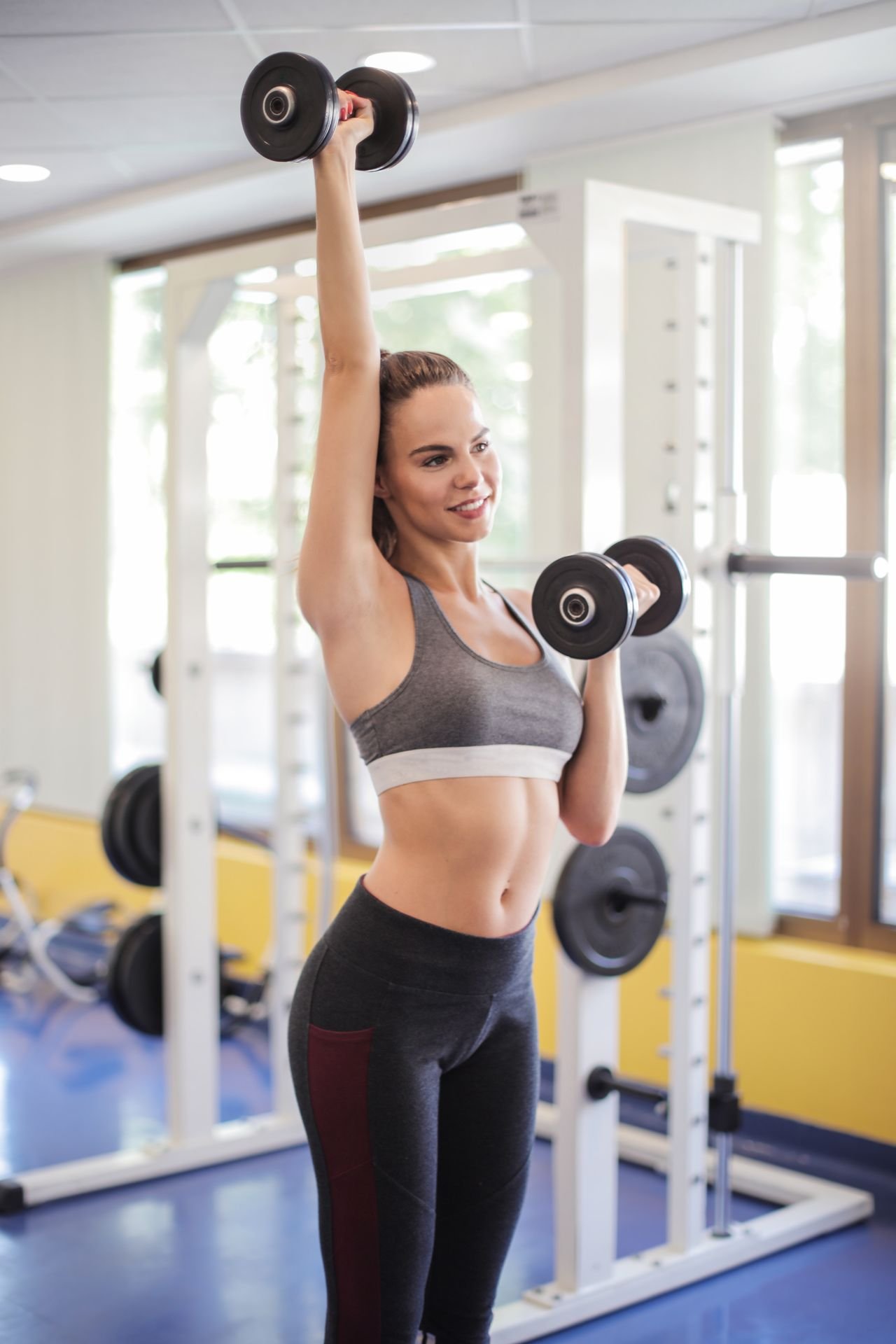
So you’re over 40 and wondering: pilates vs weight lifting, which one’s actually worth your time? Here’s the honest answer before we go further: they’re not really competing. They fix different things, and honestly? Most women do best with a bit of both. Weights rebuild the muscle and bone you start quietly losing in your 40s. Pilates gives you the core, the posture, the steadiness that makes all that strength actually useful day to day. You can pick one. Just know what you’re getting from each.
What each one actually does
Weight lifting’s the simple one. You load your muscles against something, dumbbells, a machine, a barbell, and they come back stronger. It’s the most direct way to build muscle and get your bones holding onto their density.
Pilates is a different animal. It’s slow, controlled, low-impact, all about your core, your breath, your alignment. Mat pilates uses just you; reformer pilates adds spring resistance. It’s not going to bulk you up, but it wakes up those deep stabilising muscles almost everything else forgets about.
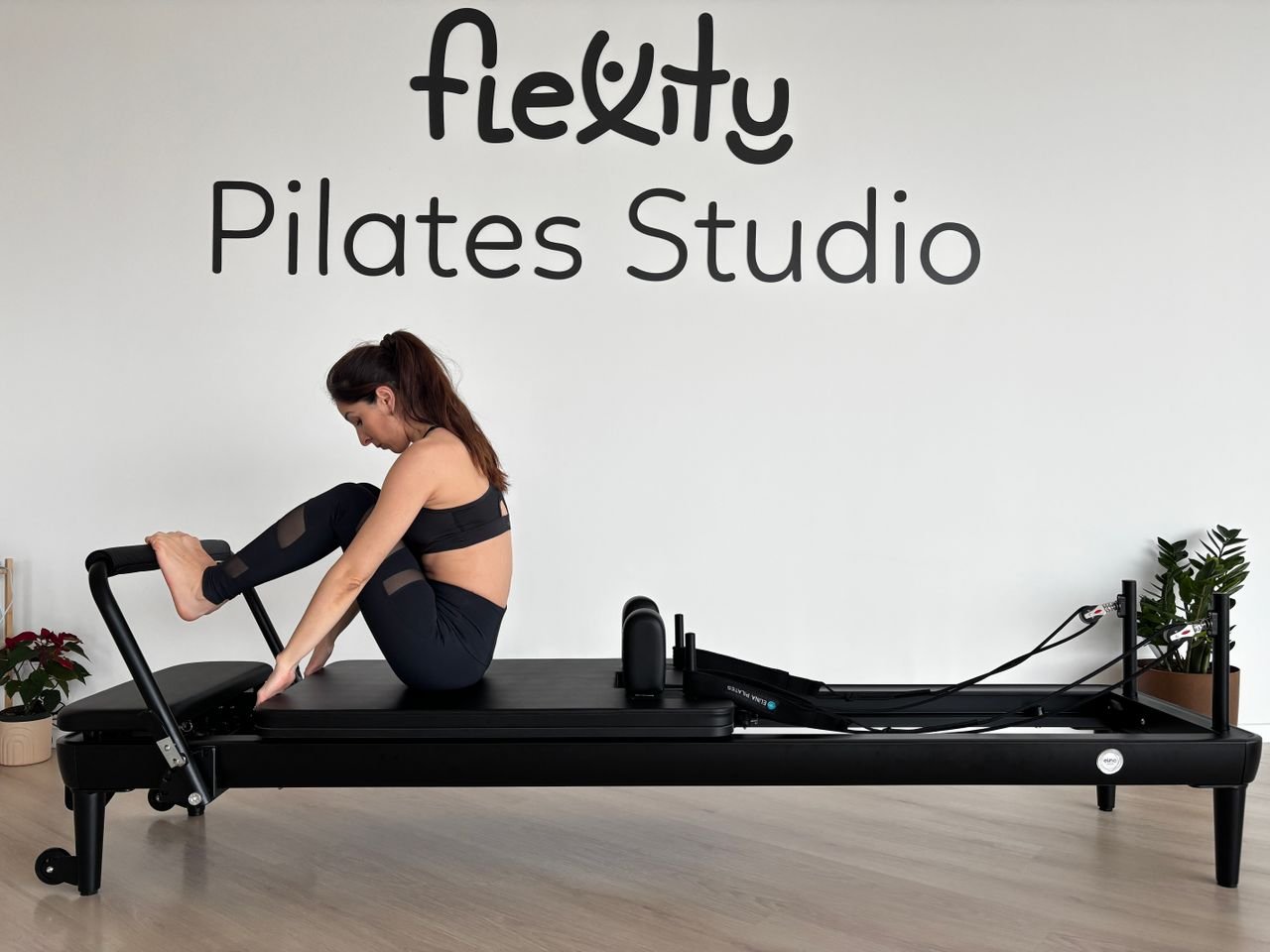
Building strength: pilates vs weights
Want to get properly strong? Weights, hands down. It’s not close. The whole trick is progressive overload: nudging the weight up bit by bit so your muscles keep adapting. Pilates builds strength too, just a quieter kind: endurance, control, staying power. Think of it this way: lifting gives you the power to heave your suitcase into the overhead bin, and pilates is what keeps your back from complaining about it.
The part no one tells you after 40
Here’s where it really counts, and where most articles go weirdly quiet. From your late 30s, you’re losing somewhere around 3 to 8% of your muscle every decade, and once menopause hits, bone density starts dropping faster too. That’s exactly why strength training stops being a “nice to have” after 40 and becomes protective. Lifting is one of the only things we know actually slows that down.
And pilates? It’s got lifting’s back. Better balance and a stronger core mean fewer falls, and a fall is what turns a thinning bone into a broken one. So, can pilates replace weight training here? Honestly, no. It’s a brilliant partner for your lifting, not a stand-in for it.
Toning: pilates vs lifting for toning
Let’s be real about “toning.” It just means muscle you can see once a little body fat comes off. Pilates gives you that long, lean, pulled-together look, especially through your core, glutes and thighs. Lifting gives you more obvious shape and real strength behind it. Want the lean, posture-forward thing? Pilates leans that way. Want shape and power? Add the weights. And no, neither one melts fat off one specific spot. Nobody does. That’s just genetics, food and showing up.
Fat loss: pilates or weights for weight loss
Straight up: neither is a huge calorie-burner on its own. But if we’re talking pilates or weights for weight loss over the long haul, lifting has the edge: more muscle means your body burns a touch more even when you’re sitting still. Pilates wins a different way. It keeps you consistent and off the injury bench, and the workout you actually look forward to is the one that sticks. Pair either with a daily walk and enough protein, and that’s where you’ll actually see things change.
What trainers and women actually say
Talk to people who do both and a few themes come up fast.
First, trainers are tired of the “weights will make me bulky” fear. They’ll tell you it’s diet, not the dumbbells, that changes your shape. Most women over 40 who lift end up leaner and stronger, not bigger. Pilates instructors are refreshingly honest too: plenty say pilates absolutely “counts,” but it builds a different kind of strength, endurance and control, not lifting to failure. And it’s not a full replacement for weights once bone loss is on the table.
One myth they love to bust: pilates doesn’t actually lengthen your muscles. It strengthens them through a bigger range of motion, which is great, just not the same as what a resistance program does.
“Fitness is fitness. Movement is movement.”
And the thing almost everyone lands on? Do the one you’ll keep doing. As one university trainer put it, fitness is fitness and movement is movement. Women in midlife forums echo it. The ones who added weights talk about feeling steadier lifting kids and groceries; the pilates loyalists swear by the posture and the way their back stopped nagging. Different wins, same lesson: consistency beats perfection.
So which should you choose?
If someone made me pick just one for a woman over 40, I’d go weights, purely because that bone and muscle protection isn’t something you want to gamble on at this stage. But if the weights floor feels intimidating, or your knees aren’t what they were, start with pilates. Build the control and the confidence first, then slide the weights in a month or so later. You’re not choosing a side here. You’re just making sure strength doesn’t get left out entirely.
Doing both (the realistic version)
And no, you don’t need to live at the studio. Something like:
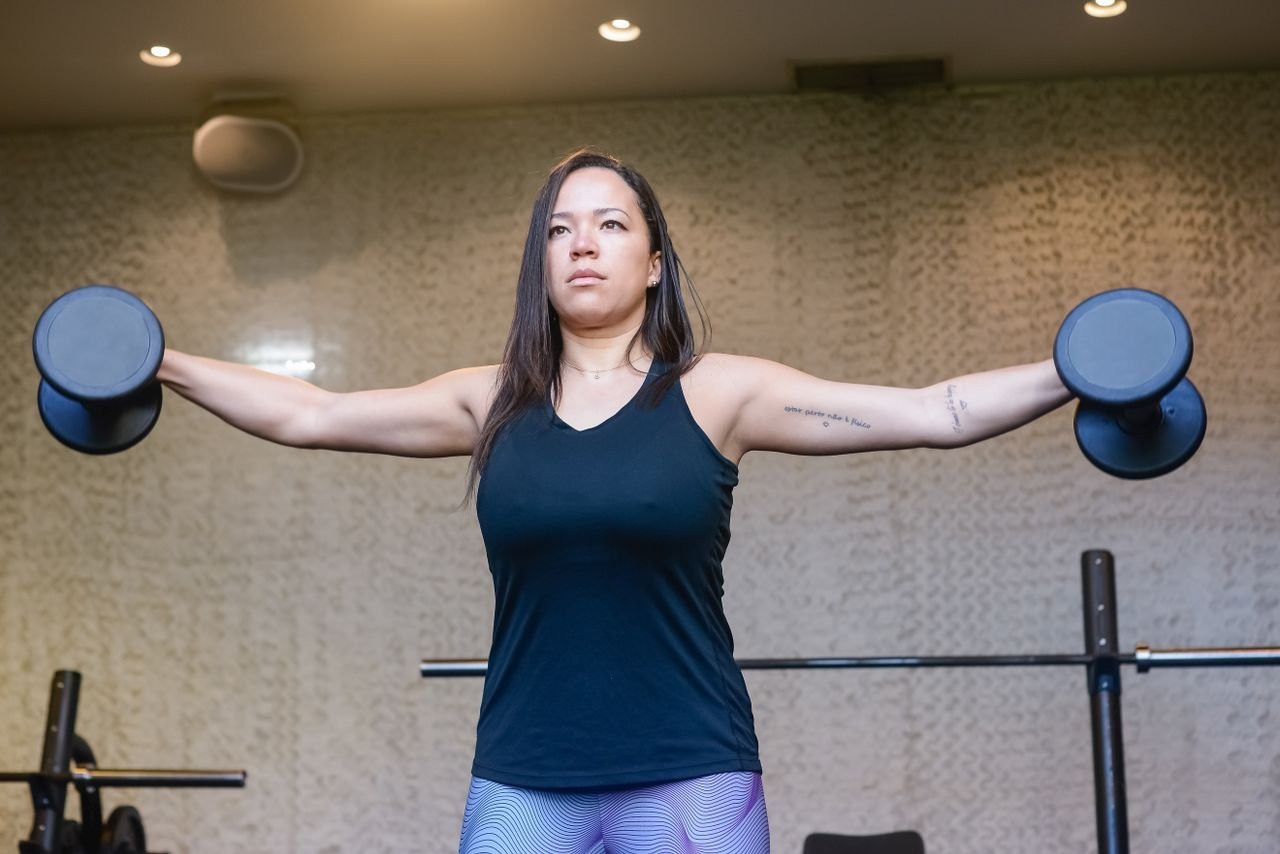
- 2 strength sessions (30 to 40 min, full body)
- 2 pilates sessions (mat or reformer)
- 1 or 2 walks or easy days
Tight on time? Even one of each a week beats doing nothing, and you’ll feel steadier within about three weeks. Promise.
Find your next class. Have a browse of the pilates studios and gyms near you on Her Studio Finder. Every listing’s got real ratings, photos and a map, so you can get started this week.
Leave a Reply