Yoga Space at Home: A Practical Guide After 40
October 20, 2026
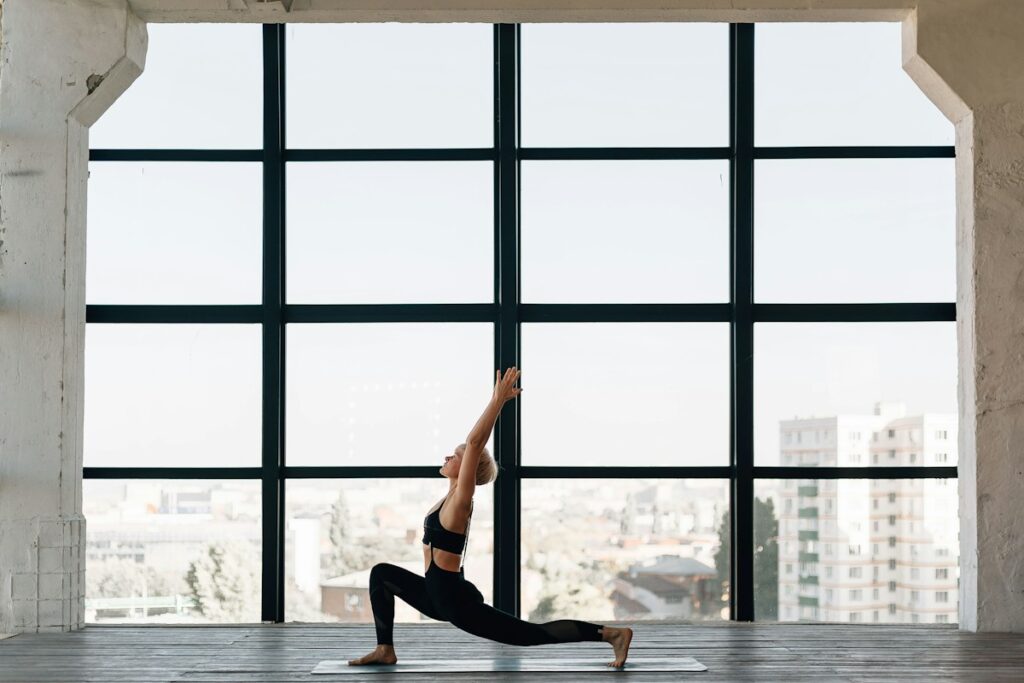
A yoga space at home does not have to look like a studio photograph. It might be a corner of the living room that becomes available after dinner, or a bedroom where you can put a mat away when you finish. The useful question is whether the space works for the practice you plan to do.
For women starting yoga after 40, there can be enough decisions already: which class to choose, how to fit it into the week and what equipment is worth buying. Start with the room and instruction you have access to. This guide helps you plan a practical setup without turning a small home project into a shopping list.
Choose your yoga space at home around the session
Before moving furniture, find out what the session involves. Will you be standing, sitting, lying down or moving between those positions? Does the teacher expect you to use a wall, chair or other equipment? Ask about the space needed if the class description is unclear.
Clear loose objects, cables and anything you might knock over. Keep the route to the door open, and consider where pets or children will be while you practice. A space that works for one format may not work for another.
Check the floor and your mat before beginning. If something shifts or feels unstable, stop and change the setup rather than trying to work around it during the session. A teacher can help you decide whether your proposed arrangement suits their class.
Make the instructions easy to follow
For an online session, position your screen so you can see it from the starting position without holding a device. Test the sound before class and have the charger nearby without running a cable through your practice area.
Ask how the teacher handles questions. In a live class, find out whether they can see you, whether you need to keep your camera on and how to ask for an alternative. A recorded video cannot observe your movement or respond to a question in the moment.
The National Center for Complementary and Integrative Health recommends practicing with a qualified instructor and notes increased risks associated with learning without supervision. For a beginner, arranging instruction before choosing a home routine is a useful starting point. Our guide to choosing a yoga teacher suggests questions you can ask.
Buy equipment after you know what you need
Ask for the equipment list before purchasing anything. A class may call for a mat, blocks, a strap or other props, but the requirements depend on the format and teacher. Check whether a beginner session provides guidance on choosing them.
Do not assume a household object is an appropriate substitute just because it looks similar. If a teacher suggests using a chair or other support, ask what makes it suitable and how it should be positioned. Avoid improvising a setup you do not understand.
Our beginner’s guide to yoga props can help you prepare a short list of questions. Buying only what your chosen session requires also makes it easier to store everything afterward.
Plan a setup you can repeat
Think through the ordinary details: when the room is available, how long it takes to move a table and where the mat will go afterward. If preparing the space is difficult, try a different room or a different class time before buying more equipment.
For example, you might keep the required items together in a basket and check the online connection before the scheduled start. That is a planning option, not a requirement. The best arrangement for you is one you can actually use within your day.
If you have an injury, health condition or questions about suitable practices, discuss your needs with your health care professional and instructor. A tidy room cannot replace individual guidance about what is appropriate for you.
Review the experience before changing the room
After the session, note what caused a practical problem. Could you hear the teacher? Was the screen too far away? Did you need more time to set up? Solve one issue before deciding that you need a bigger space or more equipment.
You can use your journal for a brief note about what worked and what to ask next time. Keep it specific: “Ask about camera position” is easier to act on than “Get better at home yoga.”
Your first step can be finding an instructor who can explain the session and its requirements. Browse the studio directory and ask providers directly about current in-person or online options. Then build your home setup around the guidance you receive.
General educational information. Source reviewed October 20, 2026. Editorial photo: Dmitriy Frantsev / Unsplash, reused from our existing library under the Unsplash License. Photographer.