Returning to Exercise After 40: Start at Your Pace
October 13, 2026

Returning to exercise after 40 can feel harder to arrange than it used to. Perhaps work, caregiving or a long break has changed your routine. Perhaps the class you once enjoyed now clashes with your schedule. You do not have to rebuild your old week all at once. Start by choosing a manageable way to move, then work out what would make it possible to repeat.
For women restarting in midlife, the practical questions matter: where will you go, what will you try and how much explanation will you get? This guide helps you choose a starting point without turning the first week into another full-time responsibility.
Returning to exercise after 40: begin with your current starting point
Think about what you do now rather than what you did years ago. Write down the time you actually have, the activities you enjoy and any questions about your health or previous injuries. If a busy evening is unlikely to work, consider another time before buying a package.
NIDDK recommends starting physical activity slowly and building up. It also advises people with health problems to ask a health care professional about suitable activities and amounts. General guidance cannot decide what is right for your individual circumstances.
Choose one activity you want to try
A first choice can be a walk, a beginner class or another activity that appeals to you. Compare what the session involves rather than choosing the option that sounds most demanding. Ask a studio which current class is intended for someone returning after a break and whether there is time to explain the equipment.
If Pilates interests you, read our beginner Pilates guide and check the actual class format with the studio. If cycling sounds more enjoyable, our first spin class guide covers setup and first-rider questions. Your preference is useful information when choosing a routine.
Before booking, ask about the single-visit price, rental equipment, arrival time and cancellation policy. A short conversation can help you avoid paying for something that does not fit your schedule or experience.
Understand the longer-term guidelines
The CDC’s adult activity guidance recommends 150 minutes of moderate aerobic activity each week, or 75 minutes of vigorous activity, or an equivalent mix. It also recommends muscle-strengthening activity on at least two days a week. These are general guidelines to work toward, not a requirement to recreate a full routine immediately after a break.
The CDC says aerobic activity can be spread across the week in smaller chunks. It describes moderate effort as activity during which you can talk but cannot sing. The name of a studio class alone does not tell you how hard you will be working or which parts of the guidelines it addresses.
Build a plan around the week you actually have
Pick a realistic time for your first visit and check the journey. Leave room for getting changed, finding the entrance and asking questions. If you are trying a class, let the instructor know you are returning after a break and ask how to adjust the session when needed.
Afterward, review the experience: were instructions clear, could you ask for help and did the schedule work? Use those answers to decide what to repeat or change. You can record them in your personal journal. There is no need to judge the whole plan by one visit.
For studio options, browse the directory and follow the official links for current schedules. Compare location and class suitability separately; a convenient address does not automatically mean every class will suit you.
A small next step is enough to arrange today
Choose one activity, find a time that works and make the practical arrangements. If you need individual health advice, get that before making the plan more demanding. A routine can grow as you learn what fits your life now.
You are allowed to prefer a different class, a different instructor or a different time than you used to. The useful starting point is one you can understand, arrange and adjust. You do not need a perfect comeback week to begin exploring movement again.
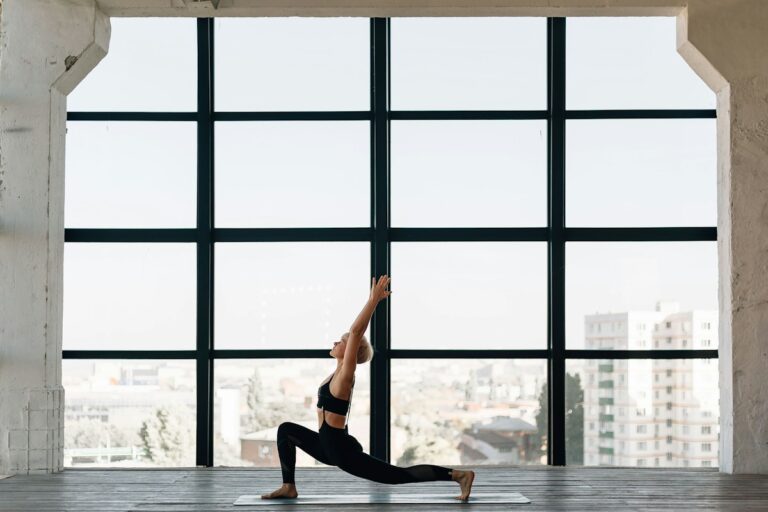
General educational information, not individual medical advice. Health guidance checked October 13, 2026 against CDC adult physical activity guidance and NIDDK starting-activity guidance. Editorial photograph by Dmitriy Frantsev / Unsplash, reused from this site’s editorial image library under the Unsplash License; it does not depict a listed studio or imply endorsement.